
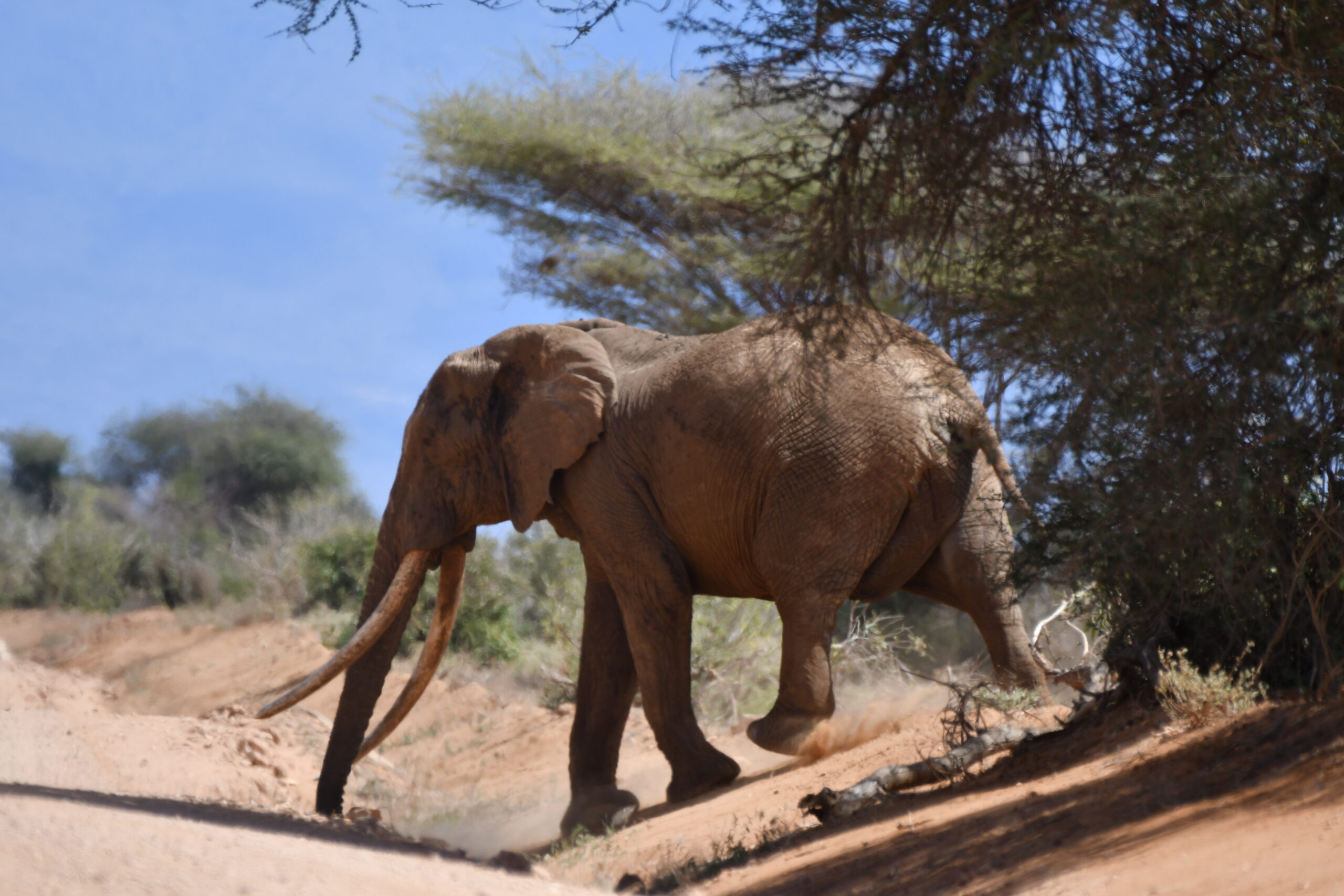
Welcome to this week’s dive into the wild and wonderful! If you’ve ever been captivated by the image of colossal, wise creatures slowly ambling across the savannah, you’re in for a treat. Today, we’re unraveling the incredible behaviors of African elephants—those majestic giants who carry a gentle grace and a treasure trove of surprising secrets beneath their wrinkled skin.
Elephants might be the largest land mammals on Earth, but their social lives and emotional intelligence reveal a delicacy that contrasts with their size. Did you know these gentle giants have complex family bonds and even show signs of deep empathy? Let’s explore what makes them so fascinating beyond their sheer power.
Social Butterflies of the Savannah
African elephants live in tight-knit family groups led by a matriarch—the oldest and often wisest female. This leader isn’t just a figurehead; she guides the herd with lessons gleaned from years of experience, especially in finding water and food during dry spells.
These herds aren’t just practical survival units. They’re emotional support networks. Elephants display behaviors that hint at mourning rituals, with family members touching and standing silently over a deceased companion. And, believe it or not, they remember water locations and other vital survival information for decades, passing down knowledge across generations.
Communication: More Than Just Trumpets
Elephants communicate in an astonishing variety of ways. From the unmistakable trumpet blast to subtle rumbles inaudible to human ears, their vocal repertoire is rich and nuanced. Whisper-like low-frequency sounds can travel miles underground, allowing distant herds to stay connected without ever seeing each other.
Beyond sound, elephants use body language like ear flapping, trunk gestures, and even seismic signals. Imagine feeling the vibrations of an elephant’s movement through the ground—that’s how some herd members can “hear” each other despite dense forests or long distances.
Surprising Intelligence and Playfulness
It’s easy to think of elephants as solemn giants, but they have a playful streak that’s heartwarming to witness. Young elephants engage in mock battles, inventive games, and even water fights. These playful moments aren’t just fun—they’re pivotal for learning social skills and coordination necessary for adult life.
And let’s not forget their remarkable problem-solving skills. In captivity and the wild alike, elephants have been observed using tools like branches to swat flies or scratch hard-to-reach places. Their curiosity and adaptability never fail to impress scientists and animal lovers worldwide.
Conservation and Our Connection
Despite their awe-inspiring qualities, African elephants face grave threats from poaching and habitat loss. Understanding their behaviors and social needs is crucial in shaping conservation efforts that respect their complex lives.
By appreciating the depth of elephant culture, we’re reminded that these are not just creatures to marvel at from afar, but beings with memories, emotions, and relationships mirroring our own in many beautiful ways.
As we wrap up our journey into the world of these gentle giants, I hope you feel as inspired and amazed as I do. Next week, we’ll continue our wildlife exploration with a look at the mysterious lives of deep-sea creatures—prepare to be amazed once again!
Thank you for joining me on this adventure. Until next time, keep your curiosity alive and your heart open to the wild wonders around us.