
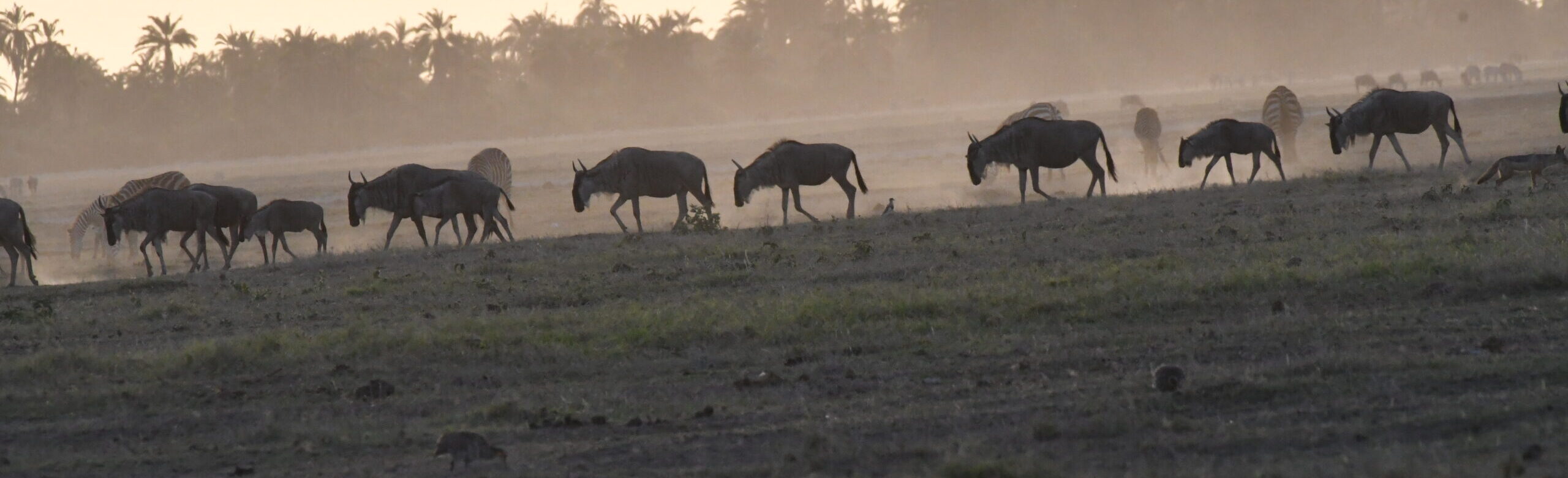
Welcome to another adventure-filled week on the blog! If you’ve ever been captivated by stories of the wild or dreamed of witnessing nature’s raw spectacles, then today’s topic is sure to spark your curiosity. We’re diving into the incredible phenomenon known as the wildebeest migration—a breathtaking journey that unites millions of animals in one of the most dramatic wildlife events on Earth.
Picture this: a vast, dusty sea of hoofprints stretching as far as the eye can see, stirring the massive plains of East Africa into life. This is no ordinary gathering. Every year, over 1.5 million wildebeest, along with thousands of zebras and gazelles, embark on an epic circular trek across Tanzania’s Serengeti and Kenya’s Maasai Mara. Their goal? Fresh grazing grounds and water, en route following ancient migratory instincts honed over millennia.
What Makes the Migration So Special?
It’s not just the sheer scale that captivates wildlife enthusiasts and photographers alike. The migration is a living, breathing story of survival and endurance. Beginning around the end of the dry season, these herds set off on a predictable yet perilous path that spans roughly 1,800 miles. Along the way, they face intense challenges—crossing crocodile-infested rivers, navigating treacherous terrain, and avoiding predators like lions and hyenas that lie in wait.
Every crossing is a heart-pounding drama. The Mara River, especially, is a focal point where thousands of wildebeest plunge into swirling currents, often whisked away by hungry crocodiles. It’s a raw spectacle of life and death that underscores nature’s unyielding circle.
Why Should You Care?
Beyond the jaw-dropping visuals, the migration is a powerful reminder of the delicate balance within ecosystems. The movement of these animals influences everything—from nutrient cycling to the survival of countless species. For local communities, the migration fuels ecotourism, helping to support conservation efforts and preserve this wild heritage for future generations.
Even if a safari isn’t on your immediate horizon, there’s something inspiring about the wildebeest migration as a metaphor. It’s about perseverance, community, and the push toward new horizons despite uncertainty—a feeling many of us can relate to.
Planning Your Visit or Enjoying From Afar
If this has you itching to see the migration firsthand, the months between June and October are prime times to catch the river crossings in the Maasai Mara. Opt for guided tours that emphasize ethical wildlife watching to ensure the animals stay safe and undisturbed. Alternatively, virtual safaris and documentaries have brought stunning footage to screens worldwide, letting us all marvel at this natural wonder no matter where we are.
Here are a few tips to enrich your experience, whether in person or from your couch:
Keep a keen eye for the predators: The migration isn’t only about wildebeest. Spotting lions, cheetahs, and hyenas adds an extra layer of excitement.
Learn the migratory calendar: Understanding where the herds are at different times helps in planning visits or online tracking.
Support conservation: Organizations working in the Serengeti and Maasai Mara rely on tourism and donations to keep the habitat intact.
Wrapping Up This Wild Journey
Witnessing the wildebeest migration, whether in person or through stories and images, leaves an unforgettable impression. It’s a vivid celebration of nature’s resilience and grandeur. Next week, we’ll venture into another corner of the animal kingdom with a closer look at the fascinating behaviors of African elephants—the gentle giants with surprising secrets. Until then, keep your sense of wonder alive and remember: sometimes the most extraordinary journeys start with a single step (or stampede!).
Thanks for sharing this wild ride with me. Stay curious and connected to the beautiful world around us.